





Barrier Selection Guide: Arm Length, Speed and Usage Intensity
Published:
Publisher: Alkur Kapı Sistemleri A.Ş.
By: Ercan Erdoğan
Barrier selection starts with a record of clear vehicle passage, pedestrian route and peak-hour cycle. Use this guide to compare entrance and usage data supplied by the dealer with FRIG/TROYA options and prepare handover checks.
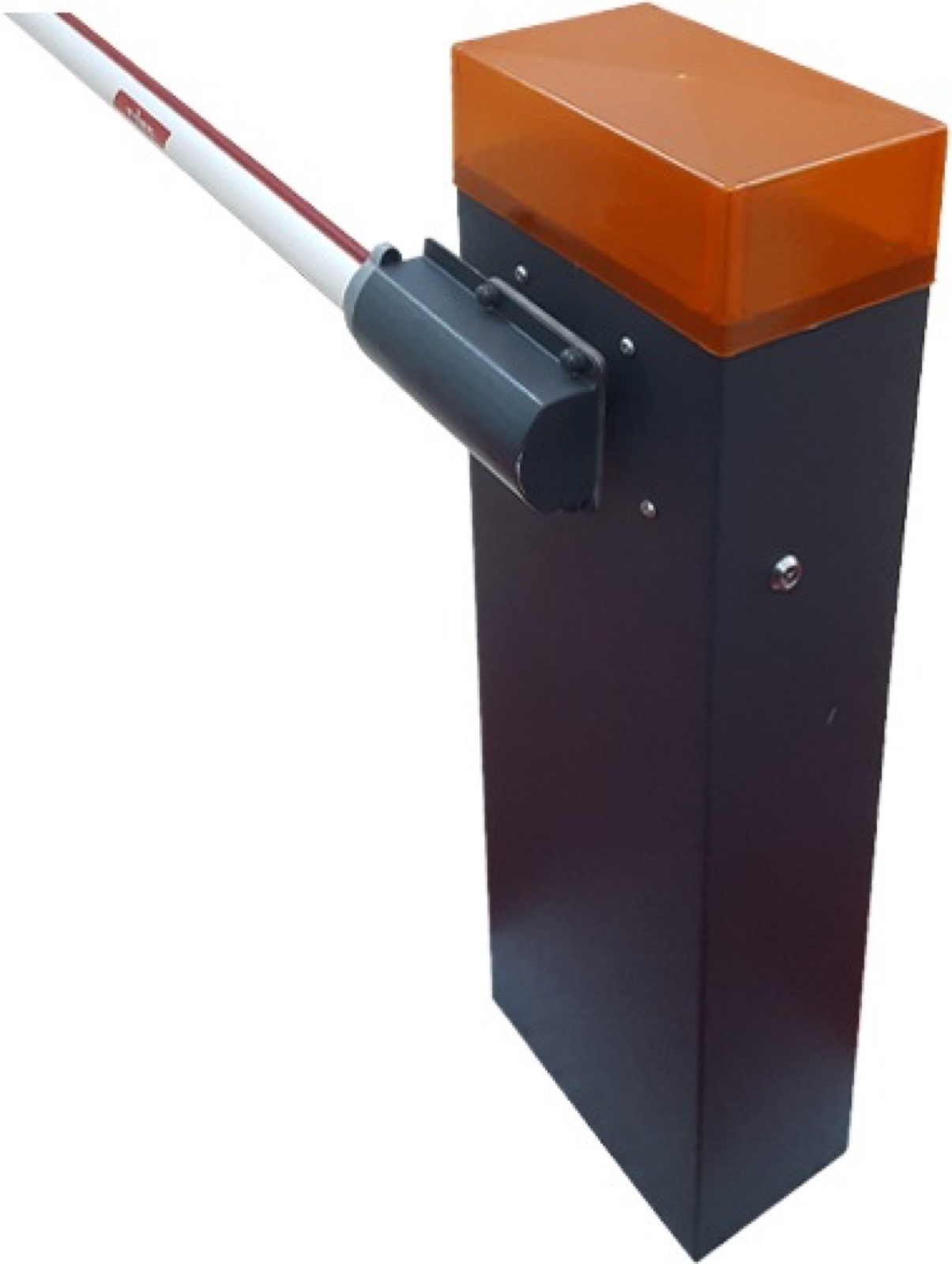
Decision sequence for barrier selection
- Identify lanes, vehicle types and pedestrian route. Managing traffic and physically closing the opening are different requirements.
- Record clear passage after cabinet/support placement. Boom length is not taken directly as clear passage.
- Assess peak-hour flow and the full authorisation–opening–vehicle passage–waiting–closing cycle.
- Choose detection (loop/photocell) separately from access permission (card/remote/plate) and confirm interface compatibility.
- Check boom and usage data for the current FRIG/TROYA group against the exact product document. Do not derive time or dimensions from a model number.
- The technical team records outage behaviour, manual operation, vehicle detection and safe closing at commissioning.
Current r-tec models
The range includes FRIG 4000–5000, FRIG 6000–7000, TROYA 4000–5000 and TROYA 6000–7000. The former Dinamix and DinamixBar names are no longer listed as separate product choices. Current options are on the barrier systems page.
A model number does not establish clear passage width or opening time. Check these against the current model document for the selected boom and installation.
Establishing the clear opening
Usable passage is the space left after positioning the cabinet and any boom support. Show the cabinet, pavement, kerb and vehicle turning path on the drawing. Provide a separate pedestrian route: a barrier does not physically close the whole opening in the way a gate does.
Record the busiest hour
Alongside daily vehicle totals, record shift changes, visitor arrivals and dispatch peaks. Identification, operator approval, opening, passage and safe closing make up the complete cycle. Boom opening time alone cannot establish queue capacity.
Detection and permission
A loop detector senses vehicle presence; a card, transmitter or number-plate system establishes access permission. These are different tasks. Check the detector, photocells, control board and access-system interfaces for the selected configuration. Plan cable routes and loop positions before ground works. Winding and connection details belong to the installed device’s manual.
Quotation and handover
Give the project partner the clear opening, vehicle types, peak traffic, power supply and required behaviour during an outage. The quotation should identify the boom, support, safety devices and control interfaces separately. Commissioning checks vehicle detection, closing sequence and manual operation on the installed system. GAC-352/26 lists models; it does not replace these site tests or the manufacturer’s CE declaration.
Quotation and handover comparison
| Item | Quotation entry | Handover record |
|---|---|---|
| Passage | Clear opening, vehicle/pedestrian route, boom/support | Installed layout dimensions and clearance |
| Traffic | Peak window and full cycle | Authorisation and passage sequence result |
| Equipment | Loop, photocells, receiver, interfaces | Purpose and function check for each device |
| Outage | Verified backup/manual method | Observed behaviour on the installed model |
The output identifies one of the four current model groups, boom, source document, included equipment and open confirmations. The dealer submits this record for manufacturer assessment; Alkur provides neither site surveys nor installation.
For movement, photocell, limit or transmitter symptoms, use the model-specific checks in r-tec Error Codes and Fault Symptoms.
Sources and evidence
Original sources for this publication and the specific information each link supports.
- r-tec barrier systems, GAC-352/26 attestation of conformity (opens in a new tab) PDF language: TR / EN
- Publisher:
- GCNTR Uluslararası Belgelendirme Gözetim Eğitim ve Dış Tic. Ltd. Şti.
- URL
- alkur.com.tr
- Published:
- Last verified:
Claim supported: Lists FRIG and TROYA model names and the 01.07.2026–19.06.2027 period. This voluntary attestation is not a production assessment, manufacturer CE declaration, or test of opening speed or boom dimensions.
Record templates you can use
Templates are completed by the dealer and technical team; checks follow the device’s own manual.
Commissioning and handover record
Completed by the dealer and trained technicians. Record only checks in the installed model's manual and identify functions that do not apply. This record is not a declaration of conformity.
Show the blank record table
| Record field | Record / result |
|---|---|
| Date / record reference | |
| Dealer / technical team | |
| Door model / installation reference | |
| Motor model / revision | |
| Control-board model / revision | |
| Receiver model / revision | |
| Lift / installation drawing and revision | |
| Manual used / revision / page | |
| Supply / protection arrangement (technician record) | |
| Planned use / intensity | |
| Installed safety and access equipment |
| Function checked | Manual / procedure | Observed result / open finding |
|---|---|---|
| Mechanical movement / balance | ||
| Opening and closing limits | ||
| Installed safety functions | ||
| Commands / remote and receiver | ||
| Manual use / power-loss behavior | ||
| User instruction |
| Record field | Record / result |
|---|---|
| Resolved findings / open points | |
| Manuals and documents handed over | |
| Handed over by / received by / date |
Quote scope comparison worksheet
Compare the same need and configuration. Record included, excluded and unconfirmed items. Copy prices, warranty and timing from the offers. Empty fields do not indicate approval.
Show the blank record table
| Record field | Requirement | Offer A | Offer B | Confirmation needed |
|---|---|---|---|---|
| Offer date / reference / supplying dealer | ||||
| Product family / model / quantity | ||||
| Dimensions / measurement reference / drawing revision | ||||
| Lift / platform / arm arrangement | ||||
| Panel / curtain / infill and options | ||||
| Motor / board / limit pairing | ||||
| Supply / protection / wiring | ||||
| Peak use / cycle requirement | ||||
| Safety equipment | ||||
| Access and activation equipment | ||||
| Power-loss / manual-use arrangement | ||||
| Document type / model scope / revision | ||||
| Shipping / installation / responsibility scope | ||||
| Warranty / maintenance / exclusions | ||||
| Amount / currency / tax / payment / delivery terms |
Questions on this topic
You can open the related FAQ question for a short answer.