




The Day the Door Stops, Who Does the Phone Reach?
Published:
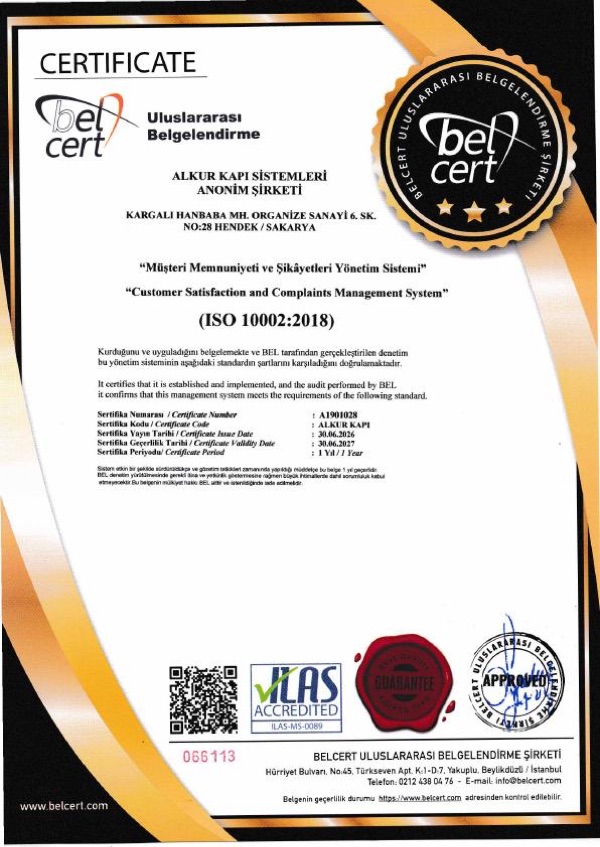
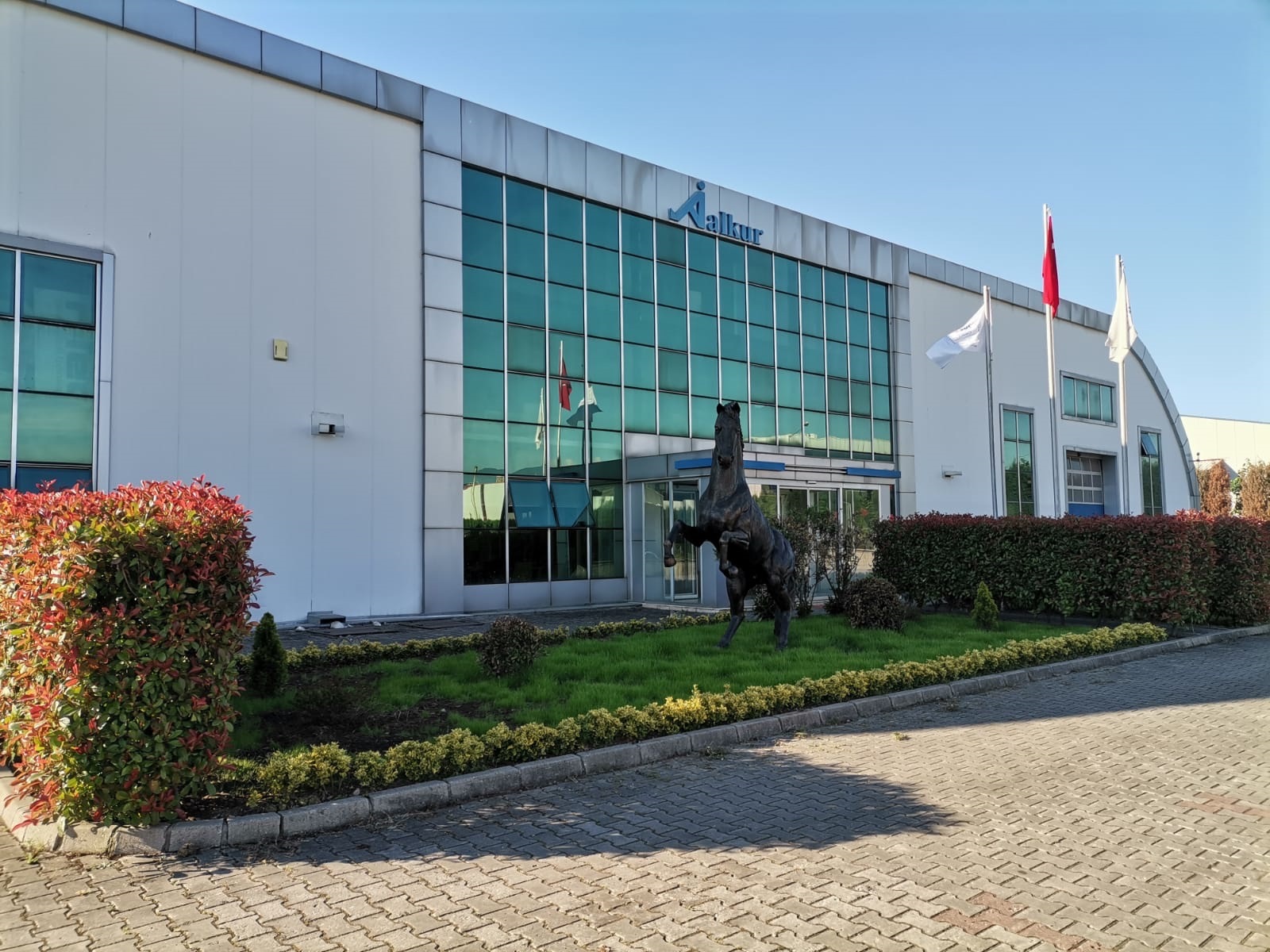
Publisher: Alkur Kapı Sistemleri A.Ş.
Quotation tables have a price, a delivery time, technical values. There is one more column that never appears, and it is the one that matters most: the person your phone will reach the day the product stops. If that column is empty, a margin of uncertainty must be added on top of every other figure in the table.
A telephone story
Years ago, back when we ran the Turkish operation of a well-rooted European brand we represented, a call came from the municipality of an Anatolian city. The voice on the line was polite but tired: the barriers in their car parks were not working, and they had reached us about products “said to be yours”. And the company that installed them? They had been called, of course — their answer was short: “The product is faulty; speak to the manufacturer.”
The translation of that sentence is: this is not my problem. The sale had been made, the installation finished, the invoice issued; yet the gate of a car park serving the public stood there with nobody answering for it. Who knows how many numbers had been dialled before the phone found us. We stepped in that day; but the real lesson was not about the devices. It was about the chain.
A chain is as strong as its least willing link
No product is ever sold alone; an invisible chain of responsibility comes with it: the manufacturer, the distributor or dealer, the installer. The strength of that chain is measured not by its strongest link but by its least willing one. “The product is faulty” is sometimes a genuine technical finding; more often it is the polite packaging of handing responsibility to another link. We have described before, through a warehouse inventory, where a product with no counterpart ends up: a silent collection of devices with nobody to return them to.
A counterpart does not form by itself
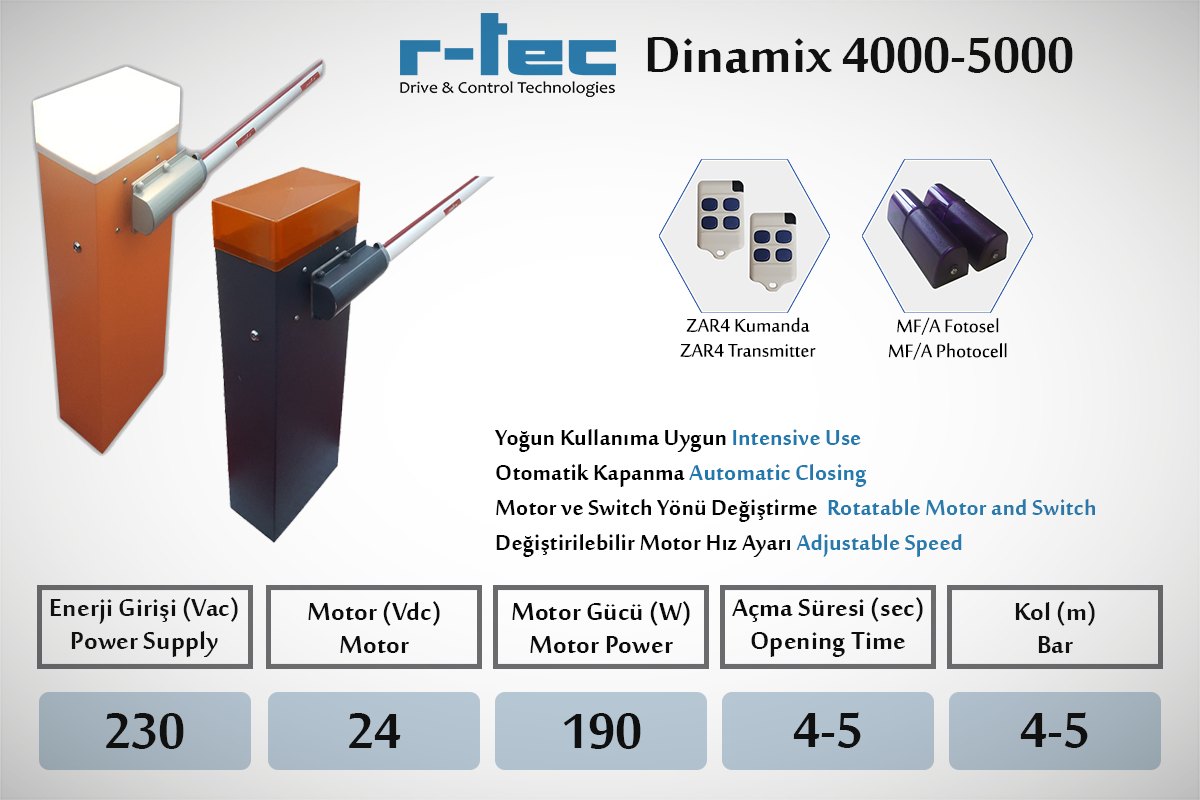
That is why we treat the counterpart as part of the product, and we build it before the sale. When a new customer reaches us, we connect them to the dealer in their region — the first link of the chain is known from the start. Technical documentation, wiring diagrams and commissioning videos are open to everyone on the r-technic portal — even an installer stranded in the field at midnight can reach the information. And every product in our barrier range is sold with an identity that states who made it and who stands behind it. Responsibility left undiscussed at the moment of sale becomes a negotiation the day the product stops — we prefer to close that negotiation at the very beginning.
Not “look what I became” but “what will I become”
The lesson our founder drew from that story is a single sentence: “You shall not say look what I became; you shall ask what will I become.” Anyone sitting at the comfortable end of the chain today may be at the other end of a ringing phone tomorrow. Which is why the most valuable question at the quotation table is not about price: “The day this door stops, who will I call — and who is that person accountable to?” The table with a clear answer, even if it looks more expensive, is the only table whose margin of uncertainty is zero.