

Wind Resistance on Facade Doors: What Does Class 5 Mean?
Published:
Publisher: Alkur Kapı Sistemleri A.Ş.
Wind loads onto the body of a large facade door like a giant sail. As the opening grows, the force on the panels multiplies; that is why European door standards treat wind resistance with its own classification. So what does the phrase “Class 5” on a door’s certificate actually guarantee?
The standards hierarchy: EN 13241-1 and EN 12424
EN 13241-1 is the umbrella product standard behind CE marking for industrial doors, covering a range of performance topics from safety to tightness. Wind load is one of those topics and is classified under EN 12424: the higher the class, the more wind pressure the door carries without deforming.
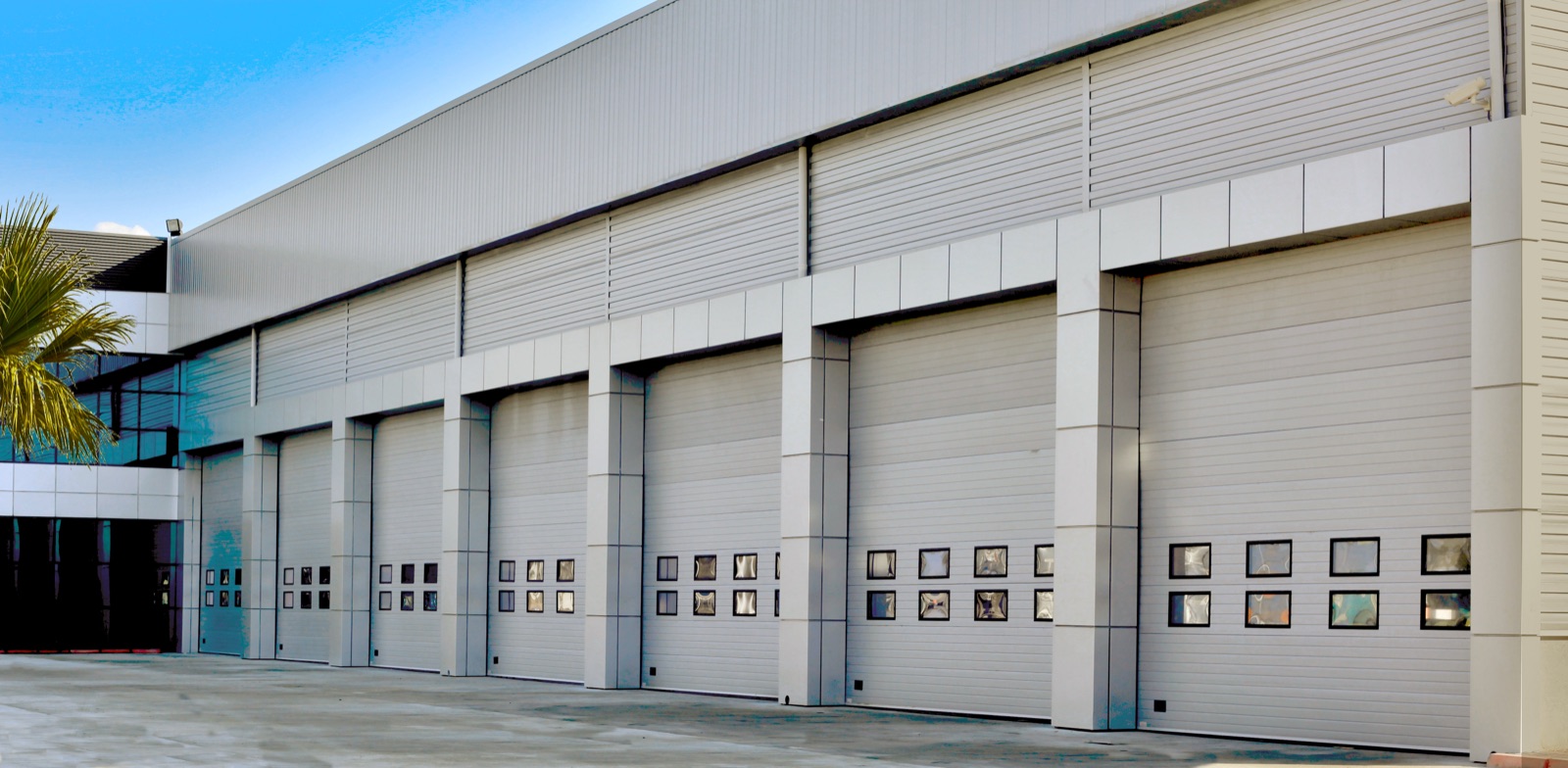
NORMTOR industrial sectional doors are tested to Class 5 wind resistance — the top step of the scale — under EN 12424; testing was carried out by independent bodies such as SP Sweden, with certification completed through TÜV NORD CERT audits. A CE Declaration of Conformity and the technical file accompany every delivery.
Why does independent testing make a difference?
A manufacturer’s own declaration and an accredited laboratory’s measurement are not the same thing. Independent testing means the panels, the rails and the fixings are verified together, under a real load scenario. This is why public tenders and corporate procurement ask where the test report comes from.
Which class on which facade?
- Sheltered courtyards and internal partitions — wind load is not decisive; the choice follows speed, insulation and usage intensity.
- Dispatch facades facing open ground — the region’s prevailing wind and the opening width are evaluated together; a higher class is preferred.
- Coastal strips and high ground — storm loads become a design input in their own right; the door class is part of the structural calculation.
One point should not be forgotten: the class value describes the door as it leaves the factory. Correct installation — anchors, rail alignment, frame fixings — is the on-site precondition of that performance, and it is the responsibility of the authorized technical team running the project.
In short: when writing a specification, “Class 5” is more than two words — behind it stand a test report, a certification file and installation discipline. If you’d like to talk through which class makes sense for your facade, we’re here.