
A Control Board's Test Journey — Notes from the G24 Line
Published:
Publisher: Alkur Kapı Sistemleri A.Ş.
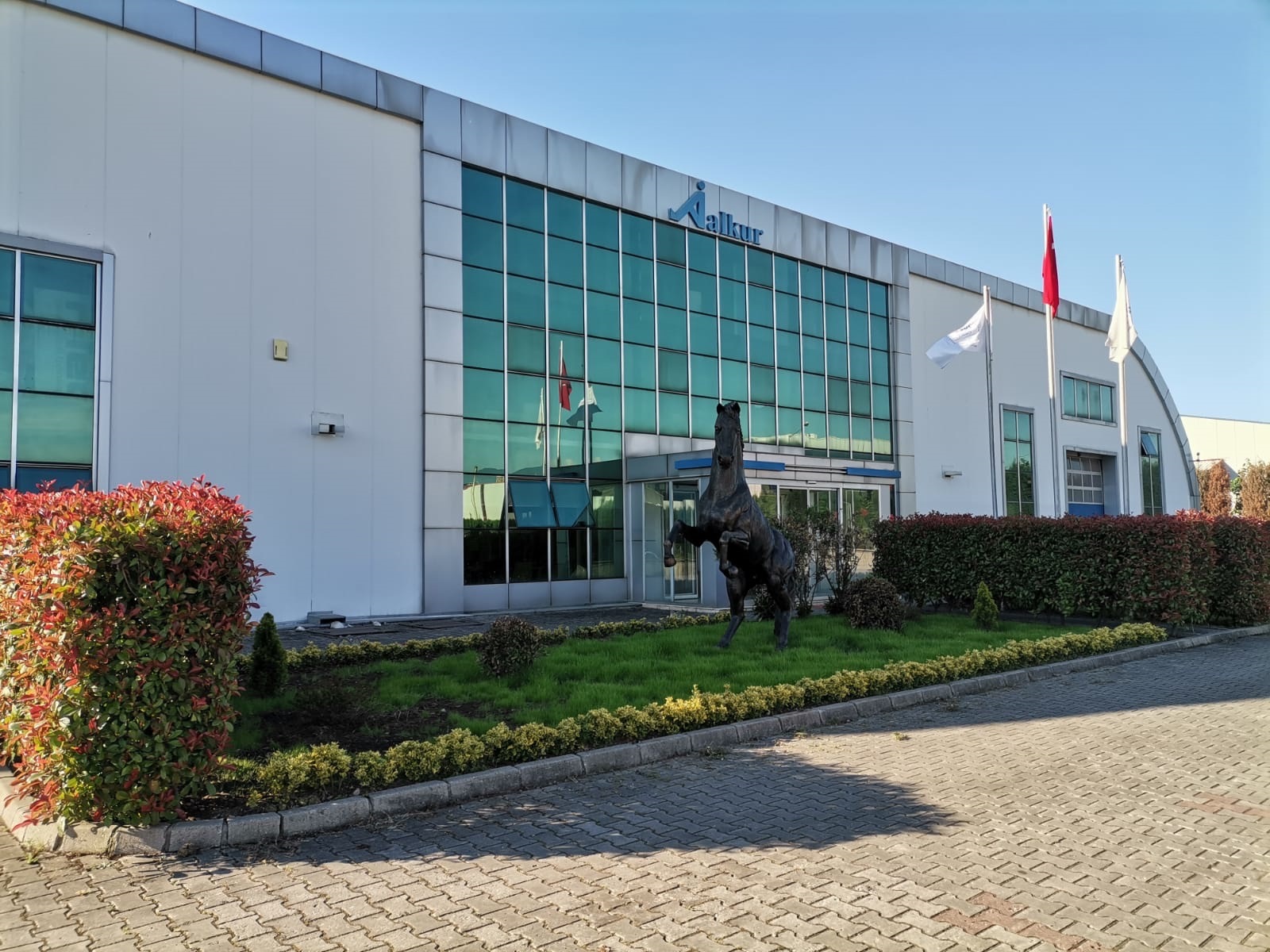
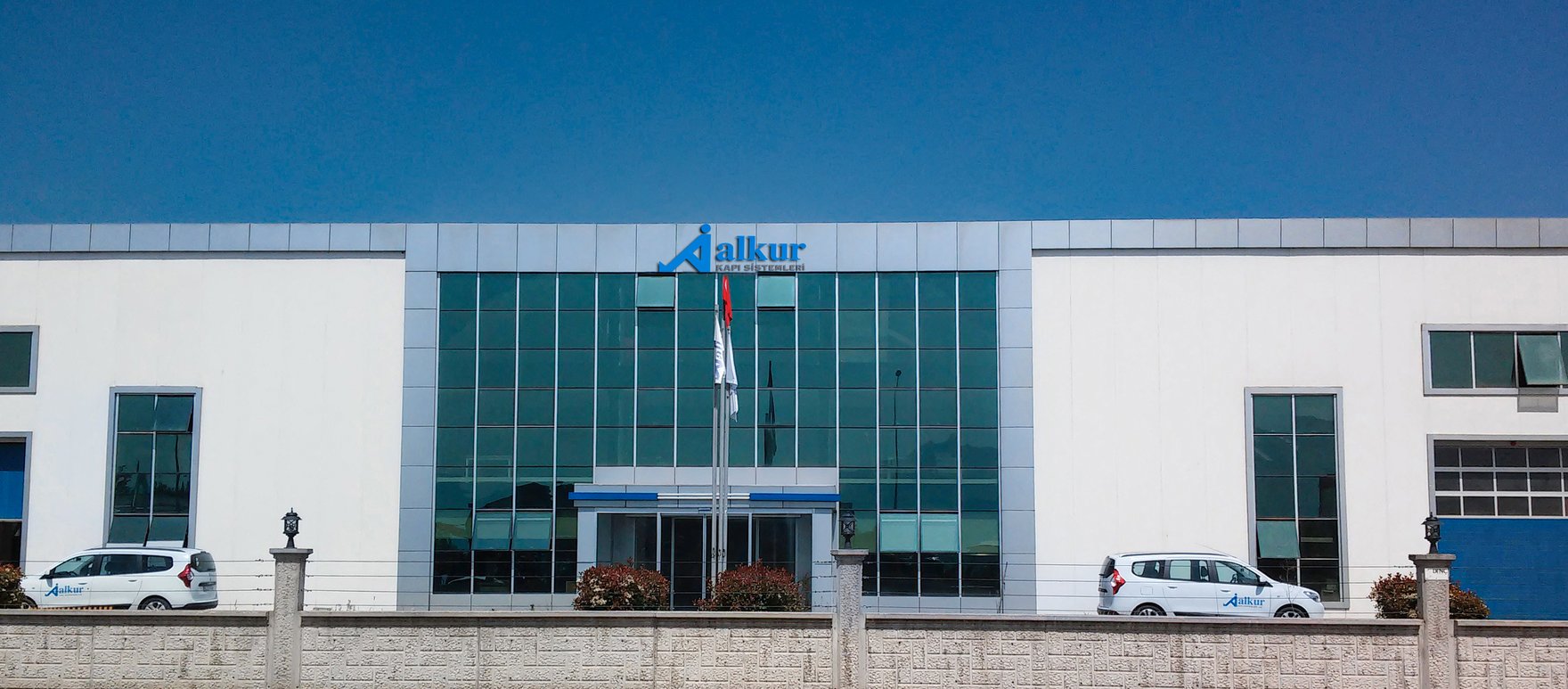
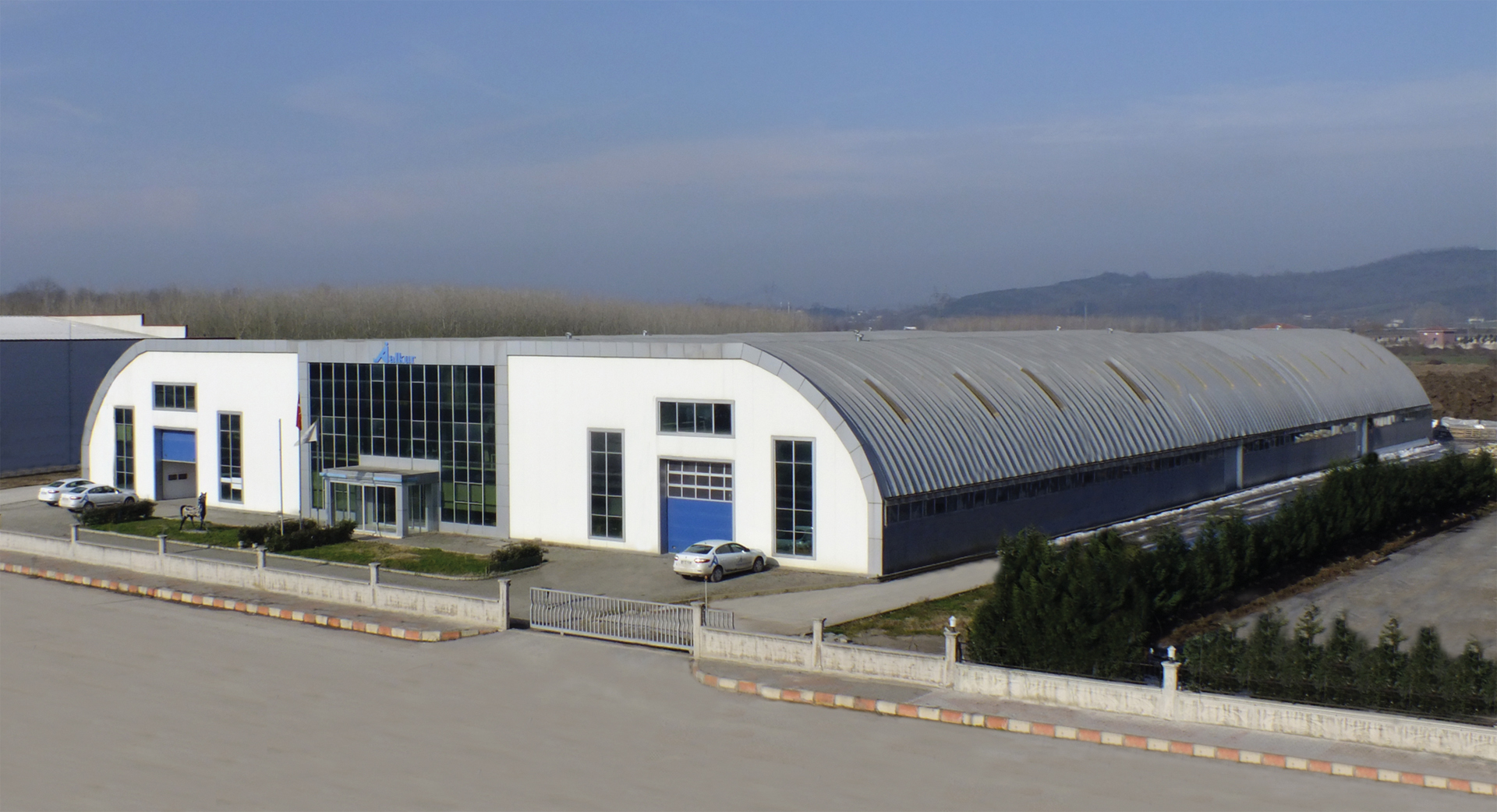
The quietest corner of a factory is its most careful one. While the panel presses run at one end of our Hendek facility, at the other end, on the r-tec electronics line, a technician studies the green board in their palm: a G24. This post is about that board’s short but meticulous journey from the rack to the shipping box.
Universal board, universal responsibility
The G24 universal control board is the shared brain of 24 VDC systems: the predefined scenarios of the KING, Couper and Prince motor series live on the same board. That flexibility is a great convenience in the field — and a great responsibility in production. Verifying a board that works with a single motor type is easy; a board that claims compatibility with every one of them must be tested against the whole claim.
Per-board testing, per-scenario verification
On our line, every board is tested individually — no sampling. For the G24 this means separate verification against five different motor types: connect, load the scenario, watch the open-close cycle, see the current protection trip, disconnect, move to the next. Parameter programming over the LCD screen is tried at the same bench; a display fault that slipped through could cost a field technician hours.
The current, temperature and phase protection functions are the most critical chapter of the test. A board whose protection fails to trip doesn’t burn the motor in the field; it burns the customer’s operation. That is why the protection test is recorded with threshold values, not as a mere pass/fail.
Why do we go to this much trouble?
Because the control board is not the part that looks most expensive when it fails — it is the part that stops the most work. Our dealers’ installation teams have to trust the board in the field; our job is to manufacture that trust at the factory. The boards tested today will leave with a dealer order tomorrow — some inside a new barrier, some in a spare-parts box.
The whole r-tec control family — boards, motors and accessories — lives on the automation systems page, each product together with its own technical document.