





Before It Reaches the Shelf: A Product's Invisible Journey
Published:
Publisher: Alkur Kapı Sistemleri A.Ş.
By: Ercan Erdoğan
In a catalogue, a product is a single line: a model name, a few technical values, a photograph. Behind that line stands a journey the catalogue never shows — the distance between idea and shelf, usually measured in months. In this piece we want to describe that distance; and what happened to us the one time we tried to shorten it.
The bench: first we convince ourselves
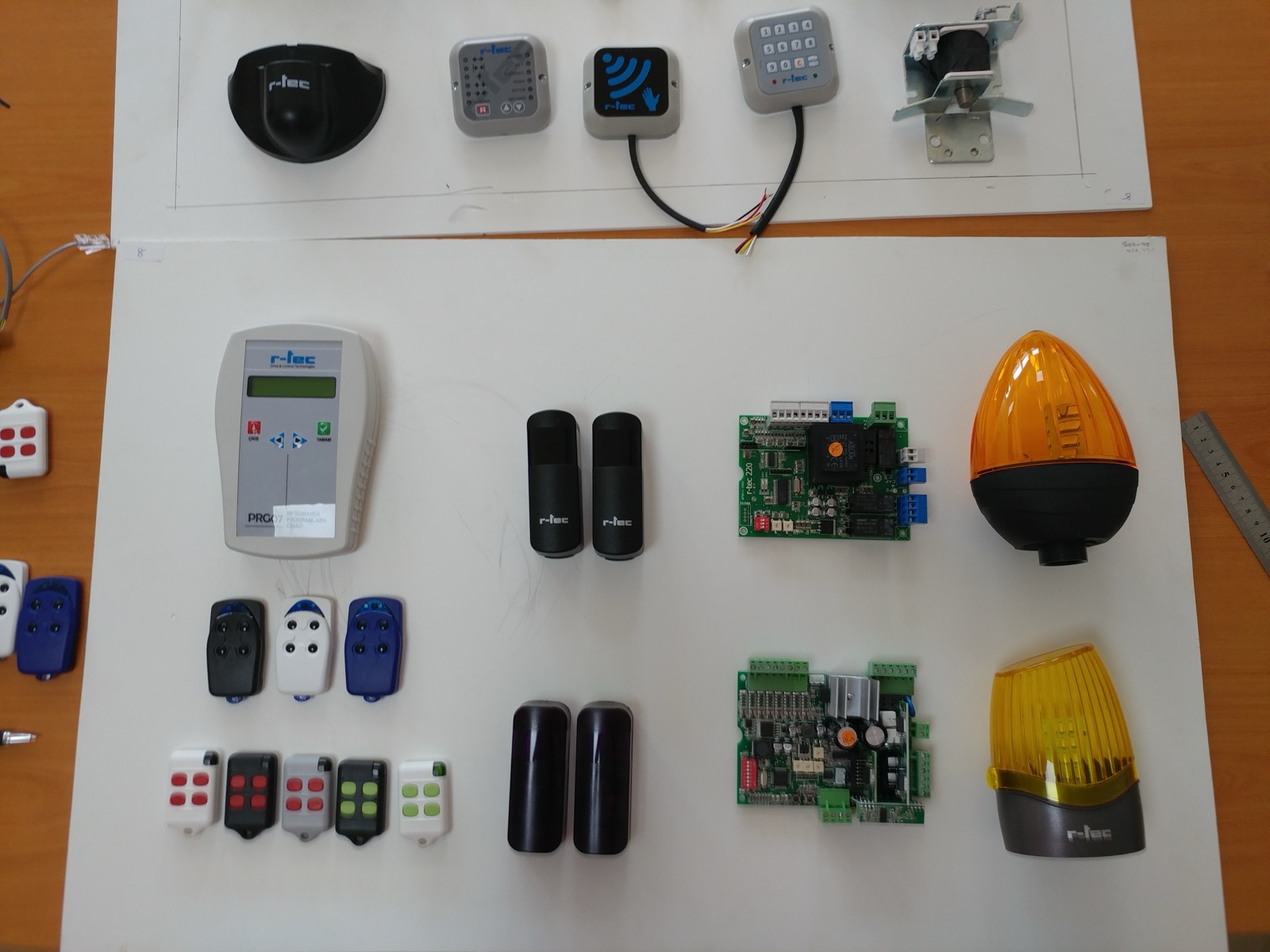
Every new product begins its journey on our own bench. Circuit design, firmware, mechanics — all of it is tried in-house first, until it satisfies us. This stage has no fixed duration; its measure is not the calendar but the result. A product that cannot convince its maker on the bench will convince nobody in the field.
Feedback from installations
Assess actual use with the model and configuration recorded. Note traffic, mechanics, settings and symptoms together. Feedback helps development; it does not establish months of testing for every product or one method used by every manufacturer.
Match current HATTI speed and duty to its own documents. Tables with an older KING name do not prove a new model’s performance.
When the road is shortened: a remote-control story
We lived through the opposite once — and are not shy about telling it. In remote controls our main line has been rolling code from the start; a preference that came with being the first team in Türkiye to produce this technology domestically. Then a strong demand arrived from the market: dealers wanted a fix code remote they could sell without needing a programming device. Demand was high, the calendar tightened — and the beta-field stage was kept shorter than it should have been.
The product worked; but in the field its range performance fell short of our target. We did not drag out the decision: we withdrew the product, carried on with the rolling code line, and only put fix code back on the shelf once the range issue had been solved at the root. Today both operating methods sit side by side in our remote range; what remains from that period is a one-sentence lesson pinned to the wall: the speed of demand cannot change the order of the process.
The shelf is not the end of the journey
There is a symmetry to this discipline. While we grant our own product months of beta field, all we ask of the installer who will fit it is one hour — reading the diagram, watching the video, running the first trial on a bench. The ratio between the two is a summary of who carries which labour: the long part of the journey is our job, the short part a shared responsibility. Looked at that way, the invisible months behind every line of the automation range become a little more visible.