
Periodic Maintenance for Industrial Doors: A Safety and Lifetime Guide
Published:
Publisher: Alkur Kapı Sistemleri A.Ş.
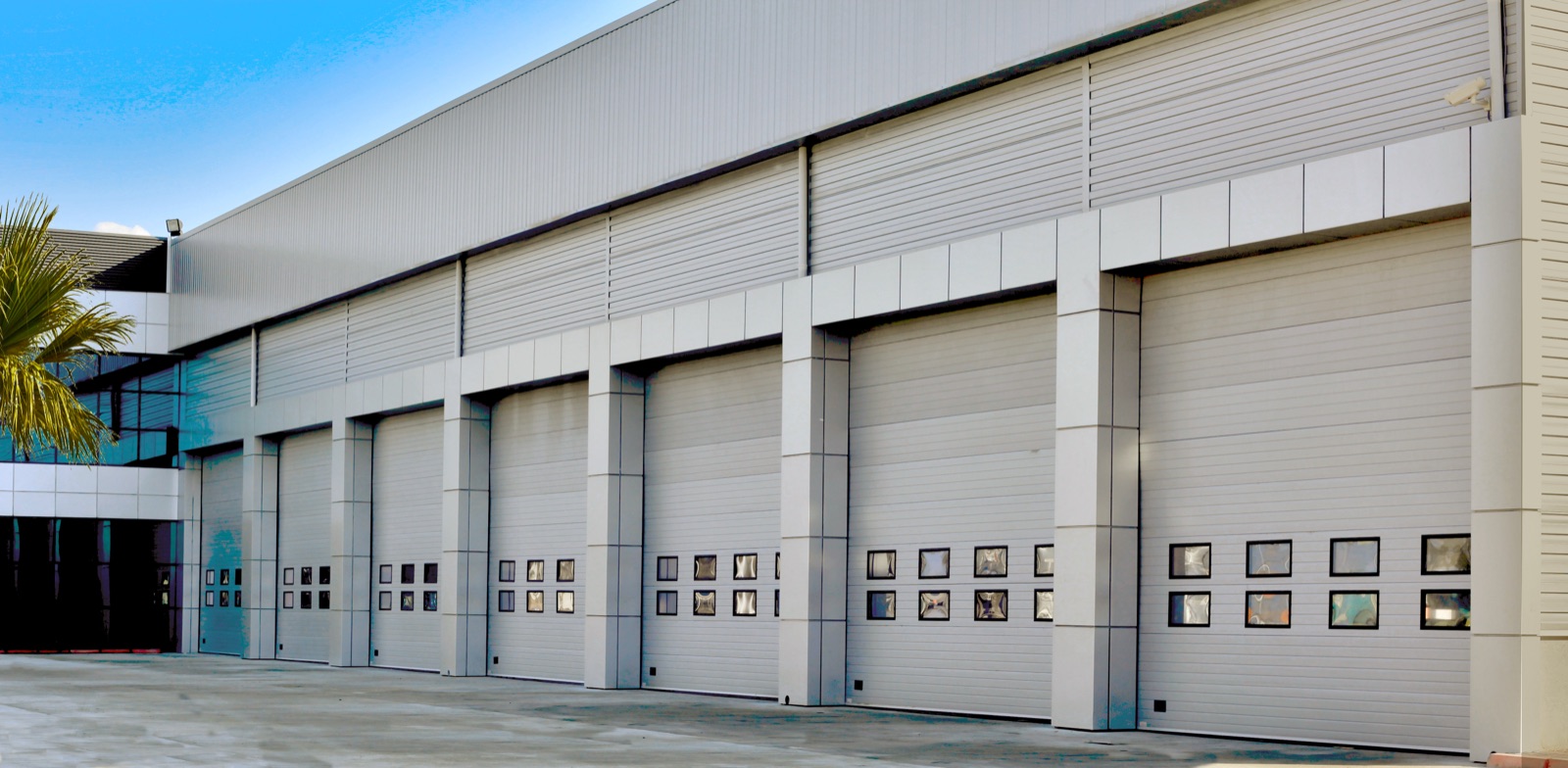
An industrial door is not a static building element; with its springs, cables, motor and safety equipment it is a machine that works every day. In a facility running shifts, a sectional door or a high-speed PVC door can complete hundreds of open-close cycles per day. In a system working at this intensity, maintenance is not a preference; it is a precondition for occupational safety, uninterrupted operation and product lifetime. From a manufacturer’s perspective, we have collected here which components need regular checks and which symptoms should never be postponed.
Why does maintenance matter so much?
- Safety: The torsion springs and steel cables that carry the door’s movement are under constant load; equipment such as photocells and safety edges protects people and vehicles. Regular checks of these parts catch potential risks before they grow.
- Uninterrupted operation: An unplanned stop at a dispatch door halts the entire loading flow. Regular checks move a potential breakdown into a planned maintenance window.
- Product lifetime: Correcting a worn seal or a misaligned photocell in time extends the life of major components such as the motor and the panels.
- Preserving certified performance: Doors manufactured by Alkur are certified to the EN 13241-1 standard; regular maintenance helps preserve certified performance values such as tightness and wind resistance in the field. You can review the details on our certificates page.
Components that require regular checks
- Springs and the balance system: Torsion springs are designed for a cycle lifetime — on NORMTOR industrial sectional doors the standard spring is rated for 15 000 cycles, with 25 000, 50 000 and 100 000 cycle options available. When the door loses its balance, the motor strains; wear and wire damage on the steel carrying cables are reviewed in the same check.
- Photocells and safety equipment: Photocell alignment, safety edge function and finger-safe panel profiles should be tested periodically. On ALKUR HPVC doors the MF/A safety photocell is standard; options such as the BREAK OUT bottom impact release are included in the same inspection.
- Motor and control card: The motor’s thermal condition, limit settings and electrical connections should be checked regularly. The right r-tec motor and control card are selected according to the door’s weight and daily cycle count; correct settings preserve both speed and safety. You can see the product family on the automation systems page.
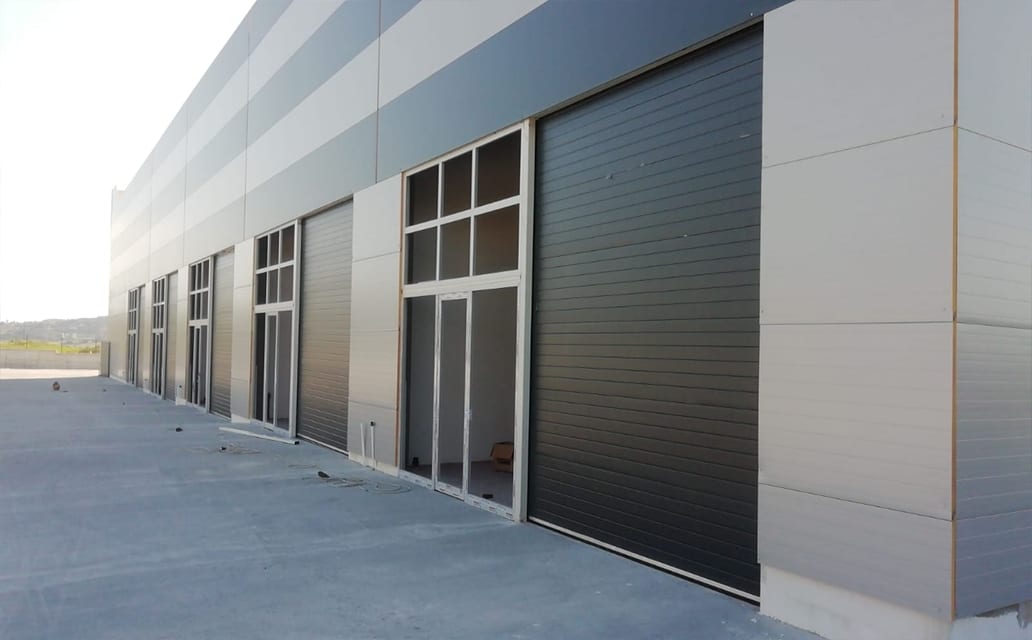
- Curtain and panel surface: The 900 gr/m² PVC curtain on high-speed PVC doors is long-lived even under intensive use; wear strips, the bottom bar profile and complete curtains are available as spare parts. On sectional doors, the hot-dip galvanized + polyester coated surface of the 40 mm sandwich panel is visually inspected for impact and corrosion.
- Seals and tightness: EPDM seals keep their flexibility down to -30 °C; even so, threshold and frame seals wear over time. Preserving tightness translates directly into energy efficiency, especially in cold-chain and climate-separation applications.
Watch the season changes
Season changes are when a door works hardest. Before winter, the flexibility of the seals and the tightness around the threshold should be reviewed; in cold-storage applications, condensation and drainage points are checked as well. After windy periods it is worth checking rail alignment and panel surfaces on external doors — NORMTOR sectional doors are tested to Class 3 wind resistance under EN 13241-1, but preserving that performance in the field depends on correct installation and regular maintenance. In dusty periods, cleaning photocell lenses and sealing brushes prevents detection errors.
What stays with the user, and what needs an expert?
Simple checks by eye and ear can stay on the user’s side: unusual noise, unbalanced movement, late photocell detection and visible damage around the seals can be noticed in daily use. The springs, cables and electrical equipment, on the other hand, work under constant load and tension; only trained technical personnel should intervene in these components. On spiral-type ALKUR HPVC doors, a review of the EPDM seal, drum axis and motor thermal condition is recommended every 6 months — every 3 months at passages with heavy forklift traffic.
Any of the following symptoms calls for technical intervention without waiting for the planned maintenance visit:
- Unusual noise, jolting or slowing during opening and closing
- Incomplete movement, spontaneous stopping or an unbalanced resting position
- A photocell or safety edge failing to detect an obstacle
- Slack in a cable, or visible damage on a panel or curtain
The manufacturer’s place in maintenance
Alkur is a manufacturer; it does not provide on-site surveys, installation or periodic maintenance services. Maintenance and repair are carried out by the authorised technical teams running each project. On the manufacturer side, three things make those teams’ work easier: the technical documentation delivered with the product, parts-compatibility guidance, and the supply of original spare parts. When your authorised technician runs into a fault, commissioning or parts-compatibility question they cannot resolve, our manufacturer technical support steps in — you can reach us via the contact page.