






Comparing Apples with Pears: Why Domestic Products "Look" Expensive
Published:
Publisher: Alkur Kapı Sistemleri A.Ş.
There is a reproach we often hear from the field: “I want to support domestic, but the price won’t come down below the import.” The reproach is sincere; but more often than not, the comparison itself is broken from the start. This article is an attempt to repair that comparison — not a defence, but the rules of a fair test.
Rule one: Equalise the segment
The catalogue of an established import brand is a pyramid: at the bottom, an economy model kept as a bargaining chip; above it, the equipped series where the real margin lives. When prices are compared, what usually lands on the table is the lowest stone of that pyramid — set against the domestic manufacturer’s standard product.
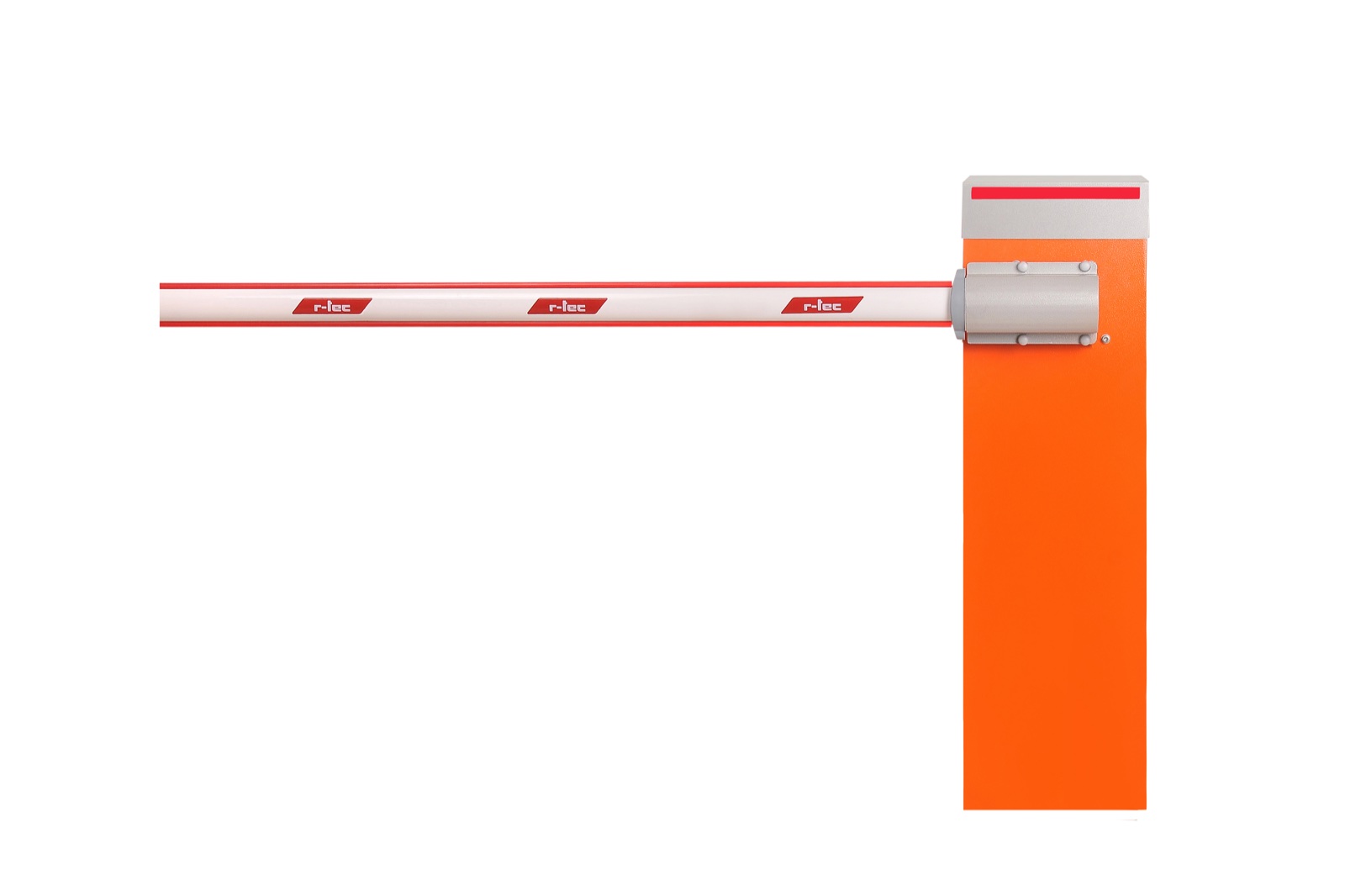
Here is the problem: the domestic maker’s “standard” usually sits at the middle of that pyramid, or above it. An LED-lit body, multi-mode signalling, a generous transformer, an upper-segment control board — in the import catalogue these are the features of the “premium series”, and the price tag follows. The model our barrier body should be measured against is not the cheapest body on the same shelf; it is the upper series carrying the same equipment. Run that comparison and the picture reverses. Any verdict reached without weighing apples against apples is the fault of the weigher, not the scales.
Rule two: Account for the currency ruler
The second distortion is less visible. A global-scale importer can lock long-term fixed prices with its supplier on annual volume; when currency swings, the label holds for a while. The domestic manufacturer buys its steel, aluminium and electronic components at currency-indexed prices, on far shorter terms. Expecting the price stability of an importer whose cost ruler is locked for a year from a manufacturer whose ruler is rewritten every quarter — that is racing two runners on different tracks and timing them with the same stopwatch.
This is not an excuse; it is a mechanism — and it works in reverse too: as volume grows, the domestic maker’s purchasing power strengthens and price stability improves. Every shelf opened to a domestic brand is a gear that speeds up that cycle.
Rule three: Read behind the label
The price tag is only the first line of the invoice. The following lines arrive with time: the lead time of a spare part, access to technical documentation, an engineering voice that answers when asked. With a domestic manufacturer the address of those lines is known — the part is here, the document is here, the person at the end of the phone lives in your time zone. On the import label, those lines depend on the day’s shape of the local representation.
The fair test, summarised
Same segment, same equipment, same total-cost window — meet these three conditions and the domestic product sits at the price table without fear. For our part, we are always ready at that table: the product range and technical files are on the automation systems page, and the quotation that anchors the comparison is one message away. Our only request is that the two pans of the scale carry products of the same class — the product will handle the rest itself.