





Wheat and the Factory: Two Directions of One Equation
Published:
Publisher: Alkur Kapı Sistemleri A.Ş.
The first generation of Türkiye’s industrialization held two things: its fields and its resolve. The equation was built accordingly, and its plainness still teaches today: sell wheat, build a factory. A field’s single year of produce was sold, and with the income a capability was bought that would produce every year. Our founder has a warning that sums up this equation, and he repeats it often: a country that sold wheat to build factories must never find itself selling factories to buy wheat.
The logic of the equation
The difference between wheat and a factory is understood not through textbook terms but through kitchen logic: wheat is consumed, a factory accumulates. A sold product brings income once; an established production capability trains its craftsmen, grows its suppliers, gives birth to its side industries and keeps the knowledge of the next product at home. The answer to where added value is born hides here as well: the factory is the seed of all future wheat.
If the equation reverses
The equation also works in reverse, and at first glance the reverse is tempting: sell the ready capability, buy the ready product. In the short term both bring relief — cash enters the till, goods arrive on the shelf. Time reveals the difference: the sold wheat’s replacement stands in the field at the next harvest; the sold factory’s replacement grows in no harvest at all. Production capability is the most expensive thing to rebuild once dispersed — the machinery can be imported, but its craftsmen, its supply chain and its accumulated knowledge cannot.
At our own scale
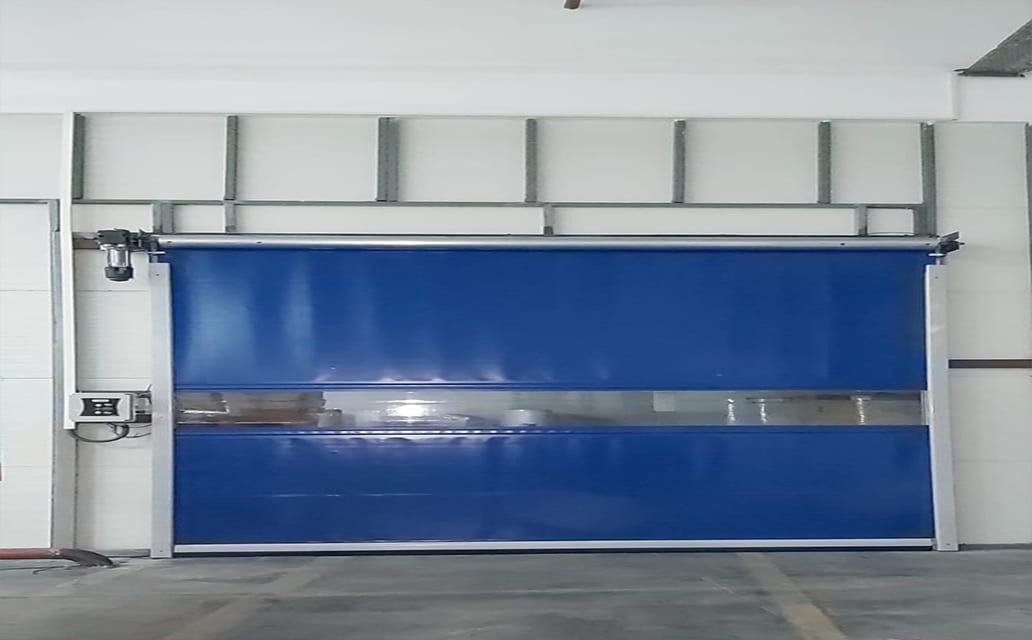
This country-scale equation has an exact counterpart at company scale. Every year the same choice comes before us: invest the earnings in trading ready products, or in the capability to produce? We gave our answer years ago and renewed it at every crossroads — with importership readily available, we invested in the panel press, in the electronics infrastructure, in the factory we own outright. If today we manufacture and export the counterparts of high-speed PVC doors that were once imported, the only reason is that at those crossroads we chose the factory over the wheat.
The beauty of the equation is this: it can be set up again at any scale, in any year, without asking anyone’s permission. A workshop buying its first bench answers it; so does a dealer adding a domestic manufacturer to their portfolio. Wheat, or the factory? We have made our choice; our side of the equation will keep producing.